
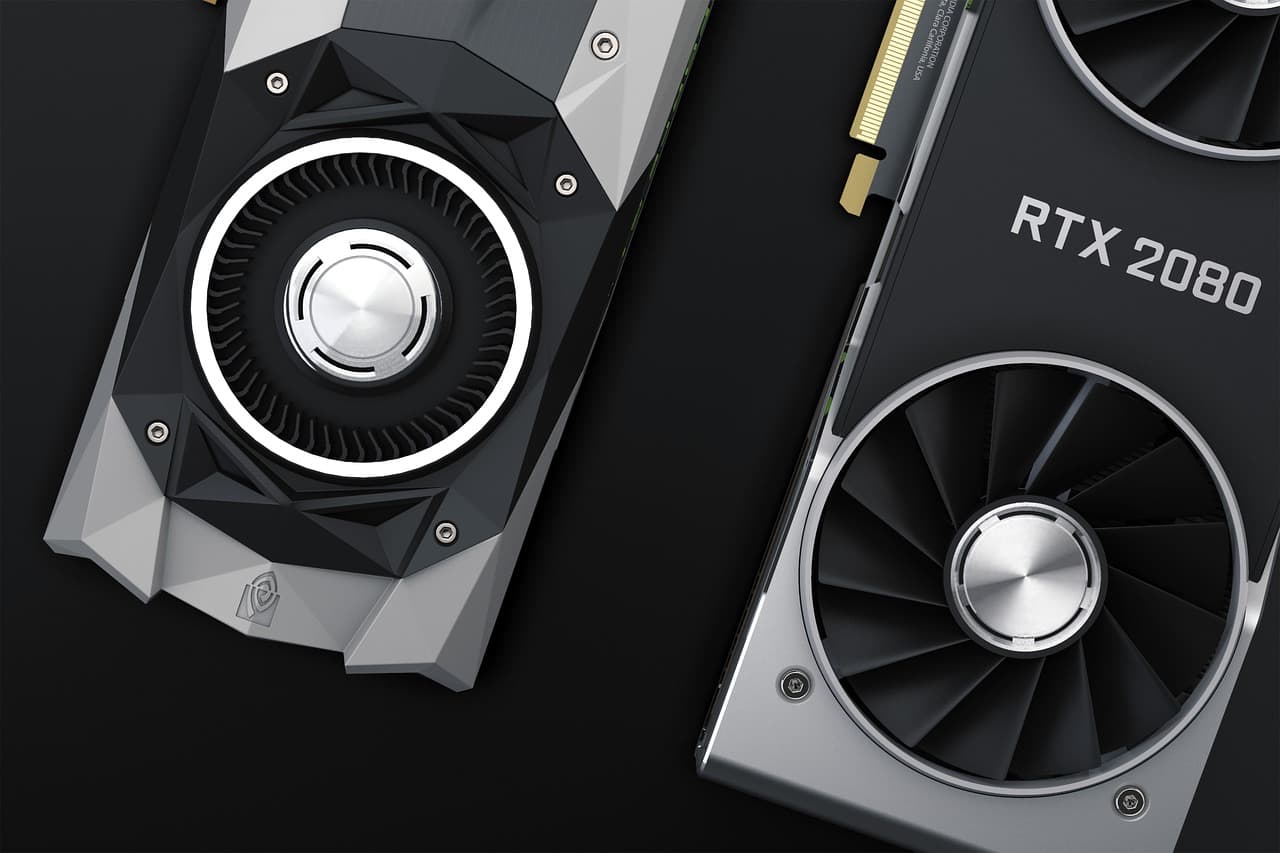
GPUs are evolving from graphics processors into foundational engines for artificial intelligence (AI), high-performance computing (HPC), and next-generation digital experiences. Once designed mainly for image rendering, Graphics Processing Units (GPUs) now play a critical role in modern computing, enabling large-scale data processing, real-time analytics, and advanced simulations across industries.
GPUs are evolving from graphics processors into foundational engines for artificial intelligence (AI), high-performance computing (HPC), and next-generation digital experiences. Once designed mainly for image rendering, Graphics Processing Units (GPUs) now play a critical role in modern computing, enabling large-scale data processing, real-time analytics, and advanced simulations across industries.
What Is a GPU and Why Is It Important?
A Graphics Processing Unit (GPU) is a specialized processor built to handle parallel computing tasks efficiently. Unlike CPUs, which are optimized for sequential operations, GPUs can execute thousands of calculations simultaneously. This makes them ideal for workloads that involve complex mathematical operations, large datasets, and real-time processing.
Over the past decade, GPUs have become essential for:
- Artificial intelligence and machine learning
- Scientific simulations and modeling
- Gaming and real-time visualization
- Cloud computing and data analytics
Their parallel architecture has positioned GPUs as the backbone of accelerated computing.
GPUs vs CPUs: The Shift Toward Accelerated Computing
The transition toward GPU-based computing is driven by the limitations of traditional CPUs. While CPUs perform well for general-purpose tasks, they struggle with workloads that require massive parallelism.
Key Differences Between CPUs and GPUs
- CPUs: Best for sequential tasks and system control
- GPUs: Designed for parallel processing and high-throughput workloads
As Moore’s Law slows down, GPUs offer a scalable alternative by delivering higher performance without relying solely on increased clock speeds. This shift has made GPUs central to modern high-performance computing systems.
Role of GPUs in Artificial Intelligence and Machine Learning
Artificial intelligence is one of the largest drivers of GPU innovation. Training advanced AI models, such as large language models and computer vision systems, requires immense computational power.
GPU Acceleration in AI Training
GPUs accelerate:
- Matrix multiplications
- Gradient calculations
- Neural network training
This reduces AI model training time from months to days, enabling faster experimentation and deployment.
GPUs for AI Inference
Beyond training, GPUs are critical for AI inference, where models generate predictions in real time. Common use cases include:
- Autonomous vehicles
- Fraud detection systems
- Content moderation
- Robotics and edge AI devices
Edge-optimized GPUs allow organizations to process data closer to the source, reducing latency and improving performance.
GPUs in Gaming and Real-Time Graphics
The gaming industry remains a major consumer of GPUs, but expectations have evolved. Modern games demand:
- Realistic physics
- Ray tracing
- High refresh rates
- AI-powered upscaling
GPU innovations such as hardware-accelerated ray tracing and adaptive rendering improve visual quality while maintaining energy efficiency.
GPU Advancements Powering VR, AR, and the Metaverse
Virtual reality (VR), augmented reality (AR), and metaverse applications rely heavily on GPU performance. These immersive environments require:
- High compute throughput
- Low-latency rendering
- Real-time physics and motion tracking
To meet these demands, GPU manufacturers are improving memory bandwidth, caching systems, and real-time ray-tracing capabilities.
GPUs in Scientific Research and Industrial Applications
Beyond entertainment, GPUs are transforming scientific and industrial workloads. GPU-accelerated HPC systems support:
- Genomics and molecular simulations
- Climate and seismic modeling
- Aerodynamic testing
- Particle physics research
These workloads would be impractical using traditional computing methods due to time and cost constraints.
GPU-Accelerated Cloud Computing
Cloud providers now offer GPU-as-a-service, allowing organizations to scale compute resources on demand. This trend supports:
- AI model training
- Simulation and rendering
- Big data analytics
Cloud-native GPU virtualization and scheduling reduce capital expenditure and make high-performance computing accessible to startups and enterprises alike.
Emerging GPU Architecture Innovations
The future of GPU computing is being shaped by new architectural advancements, including:
- Multi-chip modules (MCM)
- Chiplet-based GPU designs
- Advanced memory technologies like HBM3 and GDDR7
- High-speed interconnects such as NVLink and PCIe Gen5
These innovations improve performance, memory bandwidth, and energy efficiency.
Specialized AI Accelerators Inside Modern GPUs
Modern GPUs now include specialized components such as tensor cores and matrix engines. These accelerators deliver significant performance improvements for AI workloads while reducing power consumption.
As a result, GPUs are evolving into domain-specific architectures optimized for AI, data science, and large-scale analytics.
Challenges in GPU Development
Despite rapid innovation, GPU computing faces several challenges:
- Rising manufacturing complexity
- High production costs
- Semiconductor supply chain constraints
- Increasing energy consumption
These issues impact availability, pricing, and sustainability.
Energy Efficiency and Sustainability in GPU Computing
The environmental impact of GPU-intensive workloads is driving demand for energy-efficient designs. Key optimization techniques include:
- Dynamic voltage and frequency scaling
- Intelligent workload scheduling
- AI-based power optimization
Future GPU development will focus equally on performance and efficiency.
Competitive Landscape of the GPU Market
While Nvidia leads the GPU market, competition is growing. Companies such as AMD, Intel, and emerging startups are introducing open platforms, modular designs, and specialized AI accelerators. Increased competition is accelerating innovation and improving affordability.
The Future of GPU Computing
Looking ahead, GPU computing will converge with AI accelerators and distributed systems. Hybrid architectures combining CPUs, GPUs, TPUs, and edge AI chips will become standard.
Future applications include:
- Autonomous enterprises
- Smart factories
- Intelligent robotics
- Real-time digital simulations
Accelerated computing will become as fundamental as electricity and internet infrastructure.
Conclusion: GPUs as Strategic Enablers of Innovation
GPUs are no longer niche hardware components. They are strategic enablers of digital transformation, driving innovation across AI, cloud computing, research, and immersive technologies.
As computational demands continue to rise, GPUs will remain central to economic competitiveness, scientific discovery, and technological advancement—powering the next decade of breakthroughs.
Looking Ahead
Stay tuned for more updates on this topic as we continue to monitor market trends and technological advancements.