
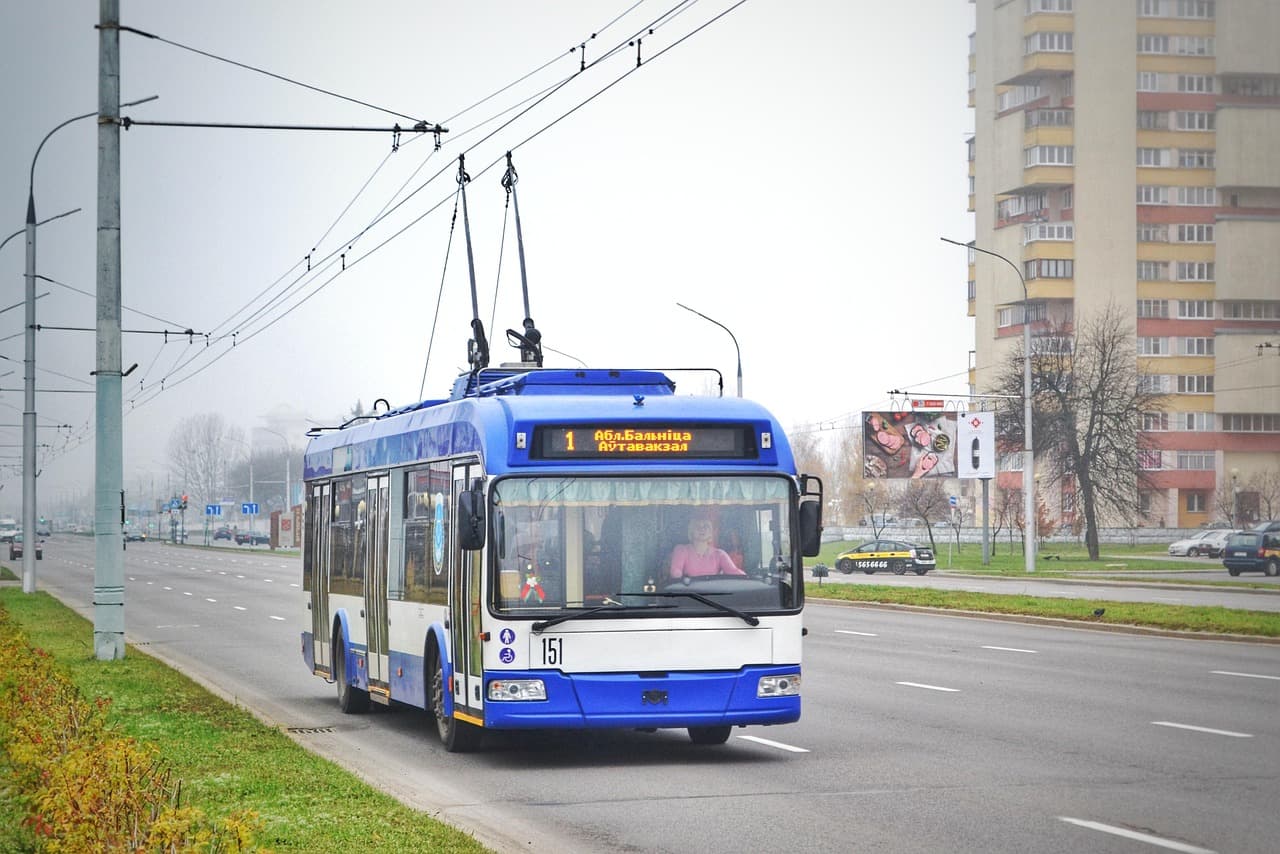
The India electric bus market was valued at USD 439.38 million in 2025 and is projected to reach USD 2,055.52 million by 2034, growing at a CAGR of 18.70%. Strong government initiatives, battery cost reductions, urban fleet electrification programs, and increasing focus on sustainable public transport are accelerating market growth.
India Electric Bus Market Overview
The India electric bus market was valued at USD 439.38 million in 2025 and is projected to reach USD 2,055.52 million by 2034, registering a CAGR of 18.70% during the forecast period. The market is undergoing rapid transformation driven by strong policy support, sustainability targets, and increasing modernization of urban transport networks.
Electric buses are becoming central to India’s green mobility strategy, as state transport undertakings transition toward zero-emission fleets to address urban air quality concerns and rising fuel costs.
Key Market Drivers
Government Electrification Policies
Ambitious electrification plans and supportive schemes such as PM E-DRIVE and PM-eBus Sewa are significantly accelerating adoption across major cities.
- Subsidies for battery electric buses (BEVs)
- Gross cost contract (GCC) procurement models
- National electric mobility programs
- Net-zero emission transport targets
Declining Battery Costs and Localization
The increasing localization of battery packs, motors, and power electronics, combined with declining lithium-ion battery costs, is improving the total cost of ownership for fleet operators.
- Expansion of domestic battery manufacturing
- Advancements in battery management systems
- Improved fast-charging infrastructure
- Reduced dependency on imports
Market Segmentation Insights
By Propulsion Type
- Battery Electric Vehicles (BEV) dominate with 64.96% market share in 2025
- Strong operational efficiency and lower running costs
- Government incentives favoring pure battery-powered buses
By Battery Type
- Lithium-ion batteries lead with 79.92% share in 2025
- High energy density and longer lifecycle
- Faster charging and reduced manufacturing costs
By Length
- 9–14 meters segment dominates with 68.95% share in 2025
- Optimal for urban and intercity passenger capacity
- Better maneuverability in congested metropolitan areas
By Range
- More than 200 miles segment holds 56.96% share in 2025
- Supports extended operational routes
- Reduces charging interruptions during peak hours
By Battery Capacity
- Up to 400 kWh leads with 54.94% share in 2025
- Balances vehicle weight and cost efficiency
- Suitable for standard urban transit operations
Regional Insights
North India holds the largest regional share at 36% in 2025, driven by extensive deployments in Delhi and strong state transport initiatives supported by developed charging infrastructure.
- Large-scale fleet deployment programs
- Robust charging infrastructure network
- High adoption in metropolitan cities
Competitive Landscape
The India electric bus market exhibits moderate competitive intensity, with domestic EV-focused manufacturers competing alongside established commercial vehicle companies transitioning toward electric mobility.
- Purpose-built electric vehicle platforms
- Strategic OEM-government partnerships
- Long-term supply and maintenance contracts
- Expansion of order books under national schemes
Industry Developments
In February 2025, JBM Ecolife Mobility secured a contract to supply, operate, and maintain over 1,021 electric buses under the Government of India’s PM-eBus Sewa Scheme-2, expanding its total order book to over 11,000 buses.
Strategic Market Intelligence Perspective
The India electric bus market represents a core component of the nation’s transportation electrification roadmap. Public transport authorities are prioritizing zero-emission vehicles through fleet modernization programs, creating sustained demand.
Advanced mobility intelligence supports OEMs, battery manufacturers, and investors in identifying procurement opportunities, optimizing infrastructure investments, and aligning strategies with national sustainability objectives.
Conclusion
With strong government backing, improving battery economics, and growing urban transport electrification, the India electric bus market is positioned for robust long-term growth through 2034. Continued infrastructure expansion and localization will further strengthen India’s electric mobility ecosystem.
Looking Ahead
Stay tuned for more updates on this topic as we continue to monitor market trends and technological advancements.
India Electric Bus MarketElectric Mobility IndiaBattery Electric BusesPublic Transport ElectrificationEV Infrastructure India